



PerformSheet 6 of 6Reviewed 28 September 2026
The goal is to come home different.
Signs of an accepted Hajj, holding on to what changed, and what almost nobody warns you about coming back.
Every page on this site has been building toward five days that are now behind you. Almost nothing is written about what comes next, which is strange, because it is the longer part.
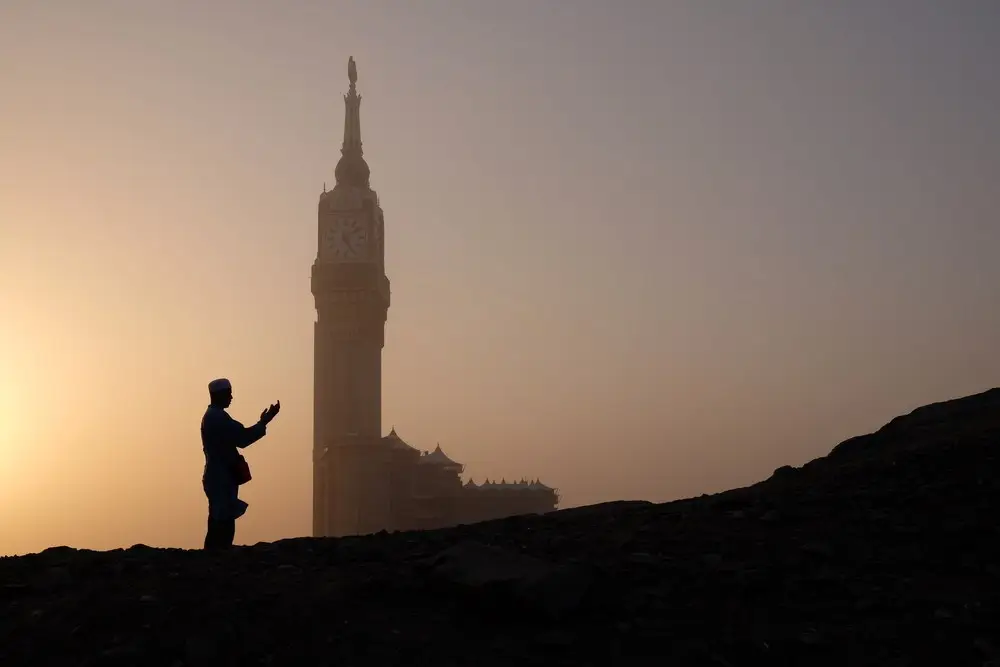
What people are not warned about
The drop. You have spent months preparing and days at the highest intensity of worship in your life. Then you land, and there is laundry, and email, and someone wants to know what it was like in twenty words.
A flatness after Hajj is extremely common. It is not a sign that something was wrong with your Hajj.
It is hard to describe. People will ask, and you will find that the answer does not fit in a conversation. Some of what happened at Arafah cannot be put into words. That is normal, and it does not mean it did not happen.
The pull to go straight back to who you were. Old habits do not go away. They are waiting for you the moment you land.
Signs of an accepted Hajj
Scholars have long spoken about what an accepted Hajj tends to look like afterward, not as a test to pass but as something to notice.
The most commonly mentioned: that your state after is better than your state before. More consistency in prayer. Less appetite for what you used to be drawn to. A softness toward people that was not there before.
The point is not to audit yourself. It is that the change, if it came, shows up in ordinary weeks rather than in feelings.
Holding on to it
Pick one thing. Not a new life. One thing you actually did differently at Hajj that you want to keep — a prayer on time, a sin left behind, a person forgiven. Keeping one thing is better than making ten resolutions and dropping them all within a month.
Keep the du’a list. The one you wrote for Arafah. Read it again in a month. Some of it will already have been answered, and noticing that will move you.
Finish what you promised to put right. If Hajj prompted you to repair something with someone, finish it. Many people lose that intention on the flight home.
Stay connected to people who went. Whatever else changed, you now have a group of people who understand a thing about you that others do not.
The days after still matter
The 11th to 13th are Hajj. So, in a smaller way, is how you live the first month back — the prayers you keep, the temper you hold back, the person you help because you remember being helped in Mina.
Going again, and taking others
Hajj is obligatory once. Many people find themselves wanting to return, and some find themselves more useful the second time — as the person who knows where the bathrooms are, which bus to wait for, and how to tell a frightened first-timer that their Hajj is not ruined.
If your parents have not gone and you now can help them, that is worth considering carefully. Elderly & Limited Mobility was written largely for people at exactly that point.
Taqabbal Allahu minna wa minkum.