



LearnSheet 2 of 6In draft
They share some rites. They are not the same journey.
Two different acts of worship that overlap in places. What separates them, and which one you are actually asking about.
People often arrive asking about Hajj when they mean Umrah, or assume that having performed one settles the other. They overlap enough to be confusing and differ enough that the confusion is expensive.
Side by side
| Umrah | Hajj | |
|---|---|---|
| Obligation | Recommended, not obligatory in the view of many scholars | Obligatory once in a lifetime on every Muslim who is able |
| When | Any time of year | Only 8–13 Dhul-Hijjah |
| How long | A few hours of rites | Five to six days of rites |
| Rites | Ihram, Tawaf, Sa’i, then cutting the hair | All of the above, plus Arafah, Muzdalifah, Mina and the Jamarat |
| Where | Makkah and the Haram only | Makkah plus the Mashair — Mina, Arafah, Muzdalifah |
| Booking | An Umrah visa, available year-round | Through Nusuk, in a narrow annual window, by selection |
| Crowds | Varies; Ramadan is intense | Two million people in the same places on the same days |
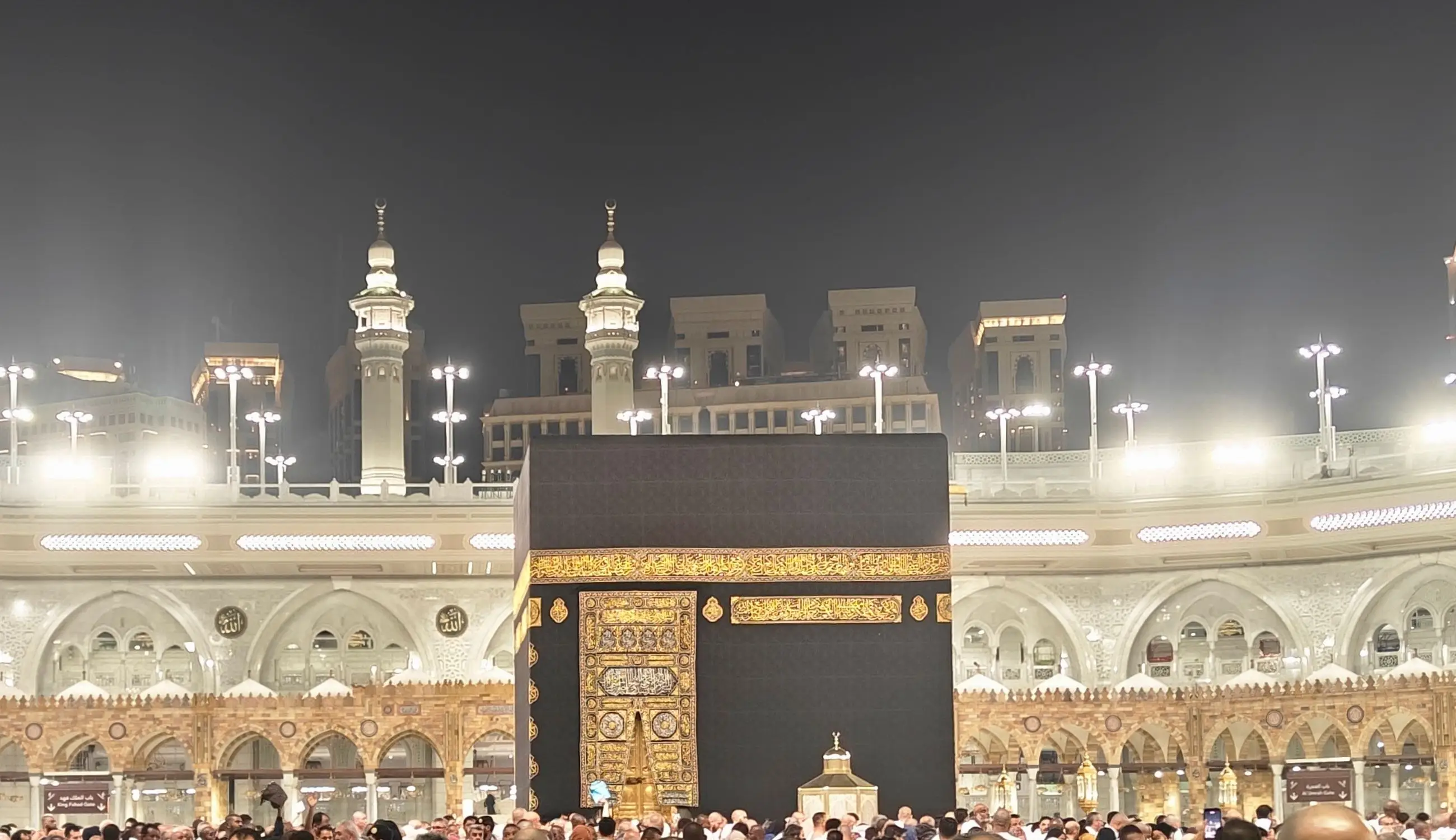
The part that matters most
Where the confusion usually comes from
The rites overlap. Ihram, Tawaf and Sa’i appear in both, which is why someone who has performed Umrah often feels prepared for Hajj. They are prepared for roughly the first afternoon of it. Everything that makes Hajj difficult — Arafah, Muzdalifah, the camps, the Jamarat, the heat over five consecutive days — has no Umrah equivalent.
The app is the same, the process is not. The Nusuk app handles Umrah permits and Rawdah appointments. Hajj registration lives only on the Nusuk Hajj website. This single confusion costs pilgrims weeks every season — see Nusuk Registration.
Tamattu’ contains both. The most common form of Hajj for pilgrims travelling from abroad begins with a full Umrah, after which you exit Ihram and re-enter it for Hajj on the 8th. So most Hajj pilgrims do perform Umrah, as the opening act of the larger journey rather than instead of it.
Is Umrah worth doing first?
Often, yes, though not as a substitute.
Performing Umrah once before your Hajj year means arriving already knowing the Haram: where the gates are, how the mataf feels, what Sa’i actually demands of your legs. That familiarity is worth a great deal on a day when you are managing crowds, heat and a schedule at the same time.
It is also a much gentler introduction to the vocabulary. Most of the glossary stops being abstract once you have stood in the places the words describe.