


LearnSheet 3 of 6Reviewed 28 September 2026
Every rite: what it is, when, why — and the common mistake.
Ihram, Tawaf, Sa'i, Wuquf, Muzdalifah, Rami, Hady, Halq, and the two Tawafs that close the Hajj.
Three forms of Hajj exist. Tamattu’ (Umrah first, then leave the state of Ihram — explained below — and re-enter it for Hajj) is what most pilgrims traveling from abroad perform. Qiran combines Umrah and Hajj in a single Ihram. Ifrad is Hajj alone.
Learn yours with a qualified teacher. What follows is a quick reference, not a course, and every rite below has more detail than this page can cover.
Ihram
What. The sacred state you enter with intention and Talbiyah, marked for men by two plain unstitched garments.
When. Before crossing the Miqat (the boundary around Makkah beyond which you must be in Ihram) on your route; again on the 8th for Hajj if you are performing Tamattu’.
Why. It strips away wealth, class and nationality. Two million people, no way to tell who is who.
The common mistake. Confusing wearing the garments with entering the state. They are two separate acts — Ihram & the Miqat explains why the difference matters for when you must enter Ihram.
Tawaf
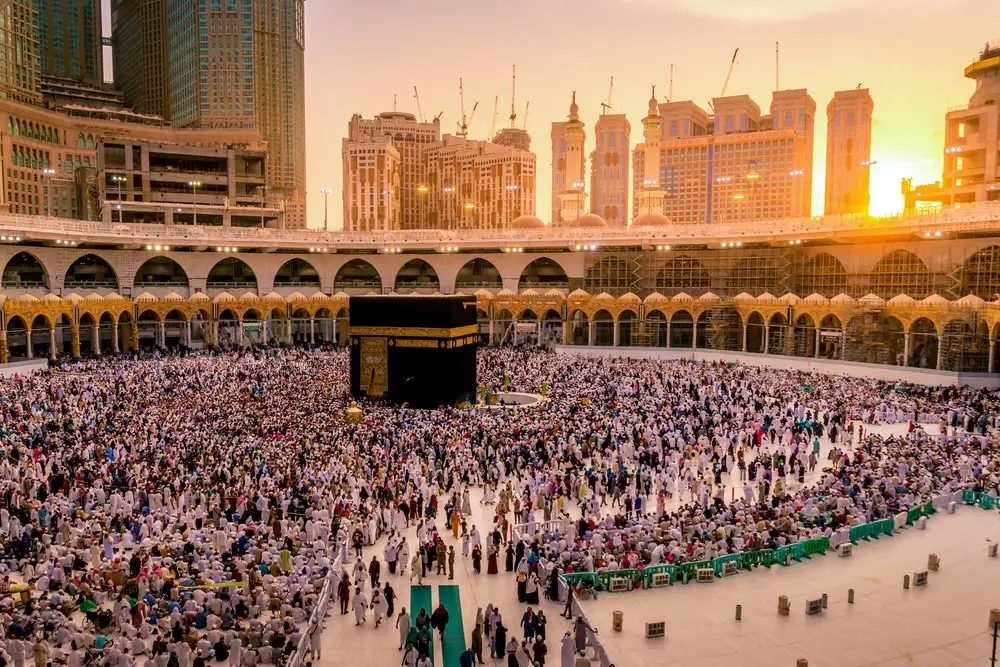
What. Seven counterclockwise circuits of the Ka’bah, each beginning and ending in line with the Black Stone, where the green lights are.
When. During Umrah, as Tawaf al-Ifadah after Arafah, and as the farewell.
Why. The oldest continuous act of worship on earth, around the first house dedicated to Allah.
The common mistake. Fighting the crowd to touch the Black Stone. Pointing toward it is sufficient, and scholars have long advised against entering a crush for it. The reward is in the Tawaf, not the contact.
Tawaf
Seven circuits, each beginning and ending in line with the Black Stone.
There is no line on the floor. Green lights on the wall beside the Black Stone mark where each circuit begins and ends. The count is of completed circuits, not of corners passed. Walk it below — the counter moves as you pass the Black Stone, and nowhere else.
Drag the marker counterclockwise, or use the arrow keys.
0of 7 circuits
A circuit is one full return to the line. Pass all four corners and you have still completed nothing until you cross it again.
Counterclockwise, with the Ka'bah on your left. You are not required to touch the Black Stone — pointing toward it is sufficient, and scholars have long advised against entering a crush for it.
Sa’i
What. Seven lengths between Safa and Marwah, beginning at Safa and finishing at Marwah, about two miles in total.
When. After Tawaf, in Umrah and in Hajj where required.
Why. Retracing Hajar’s search for water for her son. The rite remembers her trust in Allah in a desperate moment.
The common mistake. Counting wrong. Safa to Marwah is one. Back is two.
Sa'i
Safa to Marwah is one. Back is two.
Sa'i begins at Safa, as the Prophet ﷺ began it: "I begin with what Allah began with." The counting error below is the single most common one in Hajj. Drawn as one folded path, it is not possible to make: follow the line and it puts you at Marwah.
Seven is an odd number, so the seventh length runs Safa to Marwah — and Sa'i finishes at Marwah. If you find yourself back at Safa at the end, you have counted a round trip as one.
Roughly two miles in total. Men walk faster along the stretch marked by green lights; women walk the whole way at their own pace. Sa'i on the upper floors of the Sa'i gallery is equally valid and usually far less crowded.
Wuquf at Arafah
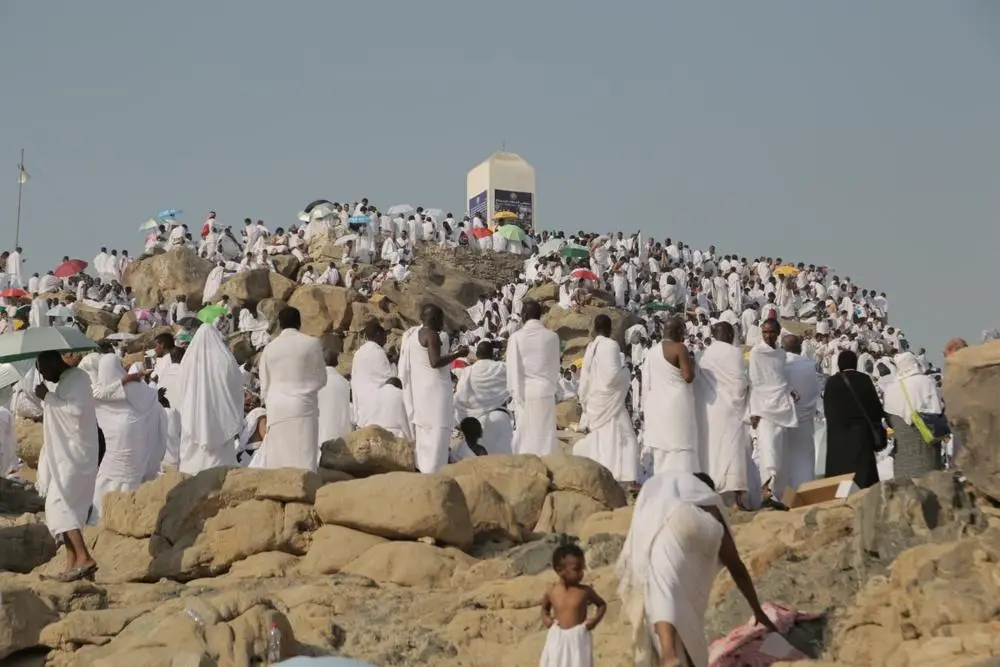
What. Wuquf means ‘standing’: standing at Arafah in worship. It is the essential pillar of Hajj.
When. The 9th of Dhul-Hijjah, within Arafah’s boundaries, for the required time.
Why. “Hajj is Arafah.” The day of du’a, of repentance, and of being freed from the Fire.
The common mistake. Spending it on photographs and naps, or leaving before sunset. Leaving before sunset affects the validity of your Hajj. Wasting the day on photographs and naps breaks no rule, but it throws away the most valuable hours of your life.
Muzdalifah
What. The open-sky night between Arafah and Mina.
When. The night of the 9th.
Why. Worship stripped of comfort. Hajj removes the things we use to feel in control.
The common mistake. Expecting facilities. There are few. Collect small pebbles for the Jamarat while you are there.
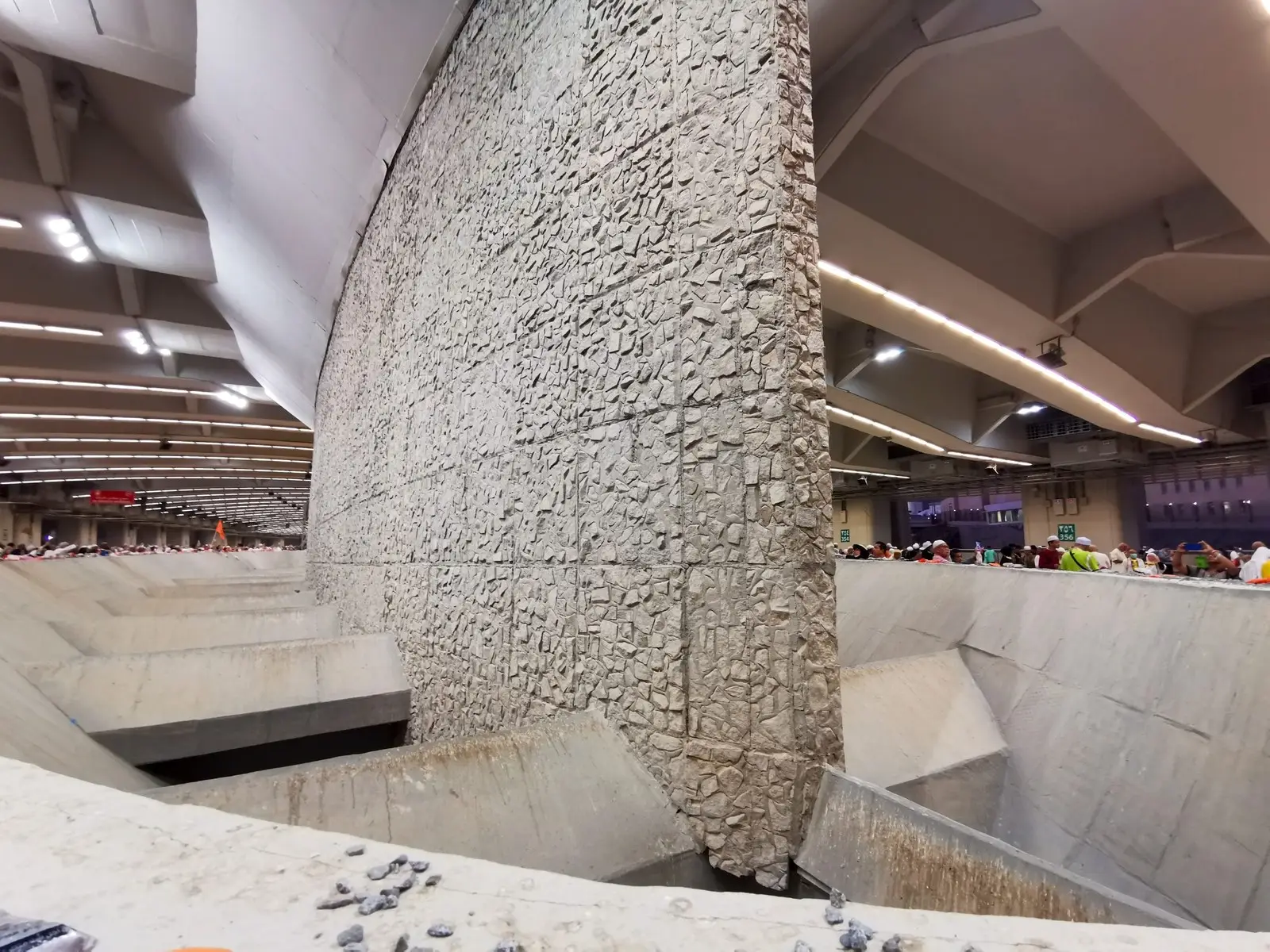
Rami al-Jamarat
What. Stoning the three pillars marking where Ibrahim عليه السلام rejected Shaytan.
When. Jamrat al-Aqabah on the 10th; all three on the days of Tashriq.
Why. Rejecting evil with an action, not only words, in the footsteps of a prophet.
The common mistake. Ignoring your group’s schedule and going at the most crowded times, or throwing shoes or large rocks. Use small pebbles only.
Hady — the sacrifice
What. The sacrificial animal required of Tamattu’ and Qiran pilgrims.
When. On the 10th or the days after it (the days of Nahr), usually arranged through your package.
Why. Commemorating Ibrahim’s obedience, and feeding the poor.
The common mistake. Not confirming who arranges it and when it is done. It affects when you exit Ihram.
Halq and Taqsir
What. Shaving (halq) or shortening (taqsir) the hair to exit Ihram.
When. The 10th, after Rami and the sacrifice, per your guidance.
Why. Humility, and a fresh start.
The common mistake. Men shaving too early, before Rami and the sacrifice. Women: trim only, never shave. The detail is on the For Sisters page.
Tawaf al-Ifadah
What. The obligatory Tawaf of Hajj — one of its pillars, without which Hajj is incomplete — with Sa’i where required.
When. On or after the 10th, with some scheduling flexibility.
Why. Without it, the Hajj is incomplete.
The common mistake. Confusing it with the farewell Tawaf, or leaving it so late that you risk not completing it before your flight home.
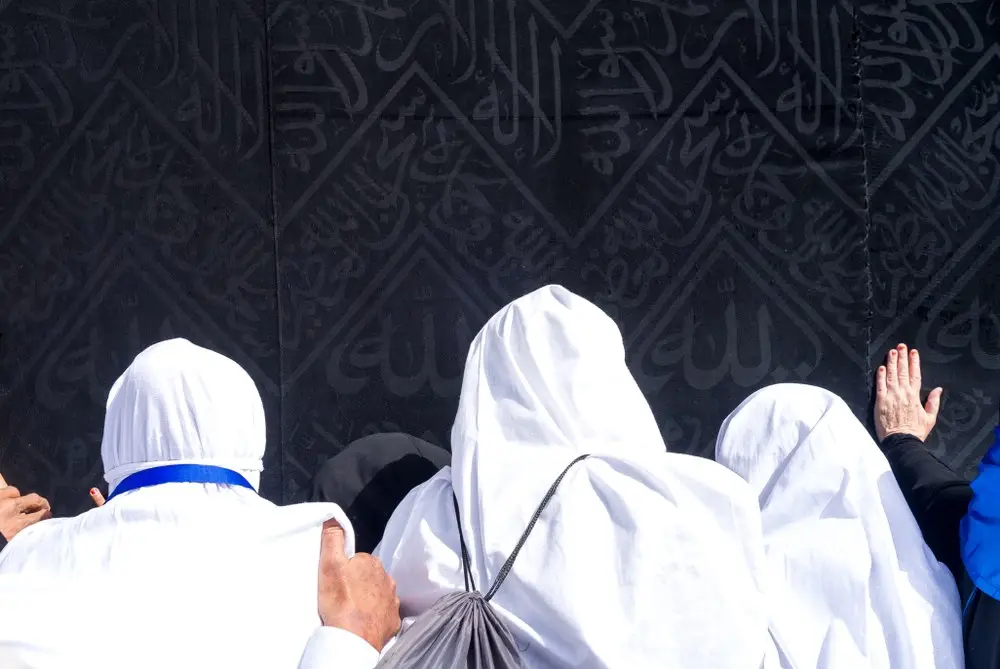
Tawaf al-Wada’
What. The farewell Tawaf, for those required to perform it.
When. Your last act before leaving Makkah.
Why. You spent years asking Allah to bring you here. Now ask Him to accept it, and to bring you back.
The common mistake. Hurrying through it because you are worried about the bus. The group bus will wait.